



Post
Wisdom Tooth Pain? Signs It’s Time to See a Specialist
September 28, 2026
Wisdom tooth discomfort is often brushed off as something that will pass on its own. In reality, several symptoms are a clear signal that it is time to see an oral surgeon.
Anyone searching for an oral surgeon in 33026 has usually already noticed that something feels off, and that instinct is worth listening to.

Signs You May Need to See a Specialist
Persistent or Worsening Pain
Occasional soreness from a new tooth is normal. Still, pain that keeps building or does not respond to over-the-counter medication is not. This pattern often points to an impacted tooth that needs professional evaluation.
Swelling Around the Back of the Mouth
Swelling near the jaw or the back of the gums often indicates an impacted wisdom tooth, a pattern confirmed by research from trusted dental sources. This kind of swelling typically does not go away on its own.
Trouble Opening the Mouth Fully
Jaw stiffness or difficulty opening the mouth fully is common when a wisdom tooth is impacted against nearby teeth or bone. Reliable wisdom tooth guidance confirms that this stiffness often eases once the tooth is treated.
Signs of Infection
A foul taste, bad breath that will not go away, or drainage near the tooth can indicate infection. Left untreated, infection can spread beyond the mouth and become more serious.
A Wisdom Tooth That’s Only Partially Visible
When a wisdom tooth only partially breaks through the gum, food and bacteria can easily become trapped underneath the tissue. In these cases, periodontal care alongside extraction is sometimes recommended to fully resolve the irritation.
When to Call Right Away
Some symptoms should never wait for a routine appointment:
– Sudden or spreading facial swelling
– A fever accompanied by jaw or tooth pain
– Pain that radiates toward the ear or neck
– Difficulty fully closing or opening the jaw
Any of these signs calls for emergency dental care rather than waiting for symptoms to calm down on their own.
What to Expect at a Specialist Visit
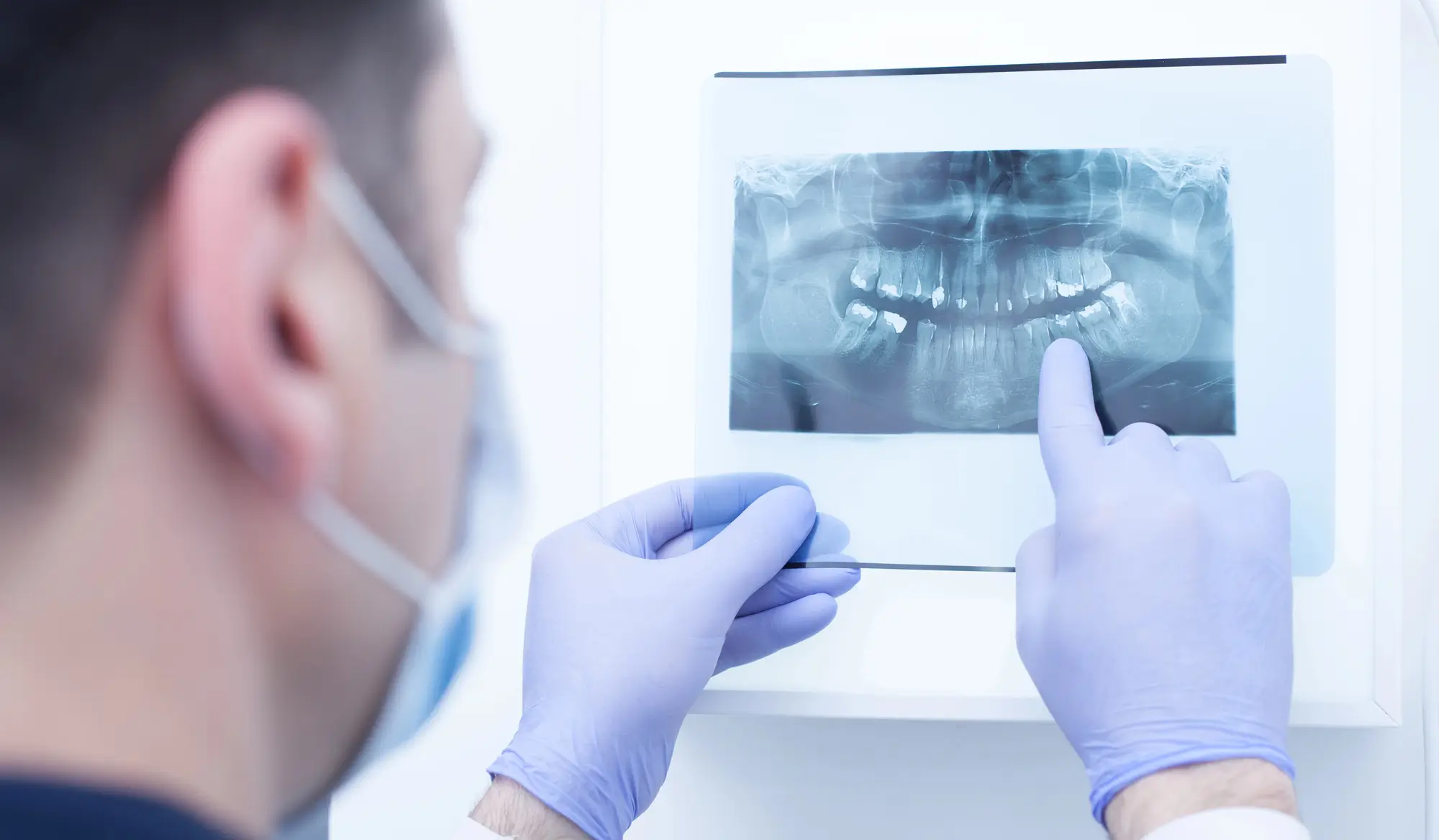
A specialist typically starts with an exam and X-rays to assess the tooth’s position before recommending the next steps. For patients who feel anxious about the idea of extraction, sedation dentistry can help keep the appointment calm and comfortable.
Frequently Asked Questions About Wisdom Tooth Pain
How do I know if wisdom tooth pain needs a specialist?
Pain that lasts more than a few days, swelling, or trouble opening the mouth are all signs that it is time for an evaluation. Waiting rarely makes any of these symptoms improve on their own.
Does every impacted wisdom tooth need to come out?
Not always. Some impacted teeth can be monitored if they are not causing pain, infection, or damage to nearby teeth.
What can help with the pain until the appointment?
A cold compress and over-the-counter pain relievers can temporarily ease symptoms. These steps are not a substitute for an evaluation if pain continues or worsens.

See an Oral Surgeon in 33026 Before Symptoms Get Worse
If any of these signs sound familiar, waiting rarely makes the pain from a wisdom tooth go away on its own. Reach out to see an oral surgeon in 33026 and schedule a visit with the team at Village Square Dental.
Located in the new Village Square Publix shopping center


Copyright 2026 Village Square Dental. All Rights Reserved.
Privacy Notice | ADA | Designed by Digital Resource