


Post

Porcelain Veneers vs. Dental Bonding: Choosing the Right Smile Upgrade
August 03, 2026
When patients seek to correct chips or stains, cosmetic dentistry treatments offer multiple paths to a flawless smile. Consulting an experienced dentist in Miramar helps clarify whether porcelain restorations or composite resin is the superior choice for a specific case.
Analyzing Popular Cosmetic Dental Materials
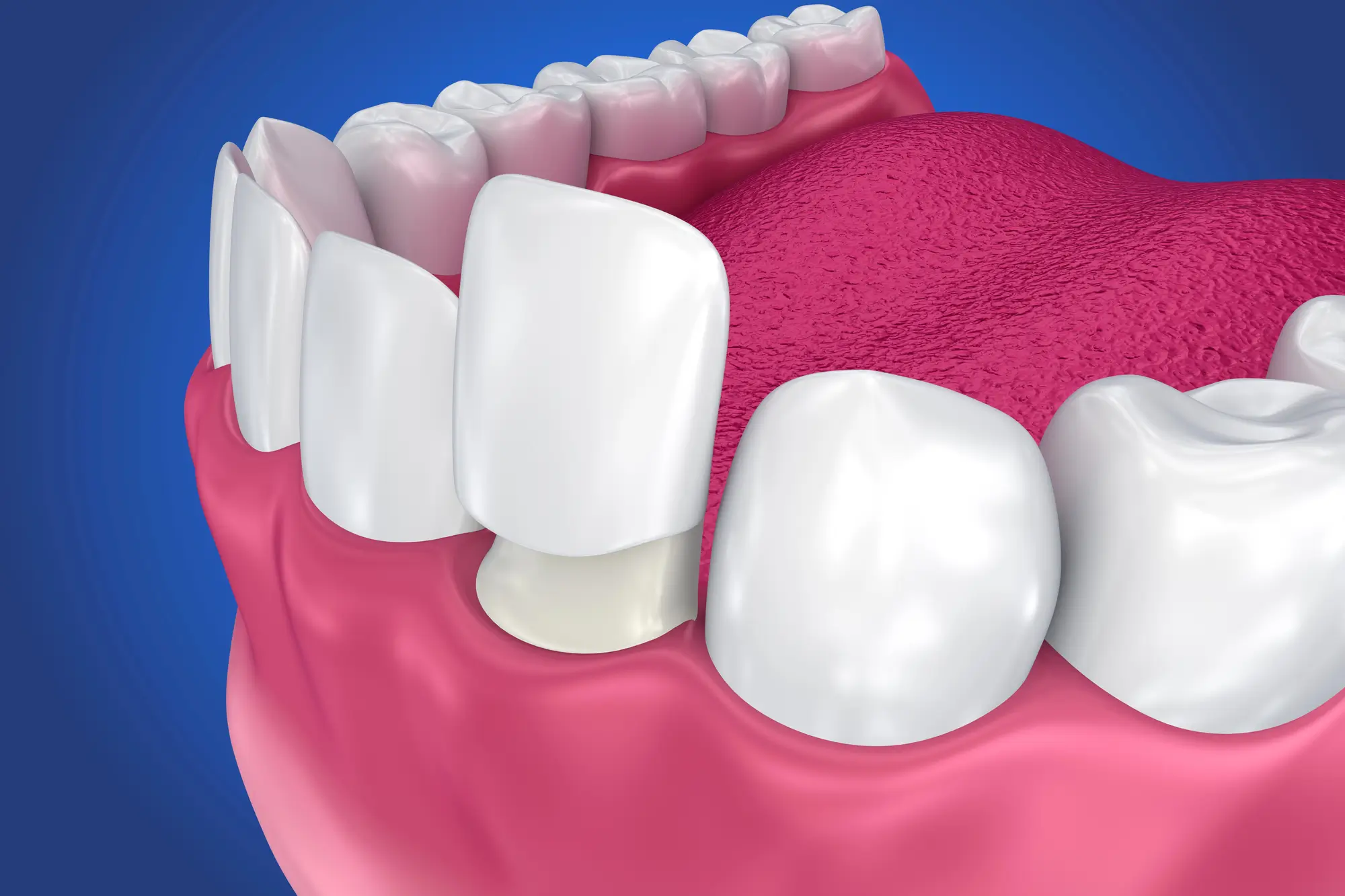
What Are Porcelain Veneers?
Porcelain veneers are ultrathin ceramic shells permanently affixed to the front surface of natural teeth to improve their overall appearance. Medical resources explain that these custom dental shells completely transform the visible portion of a smile by hiding severe discoloration and minor chips.
What Is Dental Bonding?
Dental bonding involves applying a specialized composite resin directly onto the natural enamel without requiring extensive laboratory preparation. The pliable material is meticulously sculpted into the desired shape and hardened with a specialized curing light.
Who Is the Ideal Candidate for Each?
Individuals seeking a dramatic and durable transformation often lean toward porcelain restorations for their unparalleled strength. Those needing quick corrections for minor imperfections usually prefer the simplicity and affordability of resin applications.
Comparing Durability and Long Term Maintenance
How Long Do These Treatments Last?
Porcelain is a remarkably robust material that resists permanent stains and can last up to fifteen years with proper daily maintenance. In contrast, composite resin is slightly more porous and typically requires a professional enhancement every five to seven years.
Are Specialized Cleaning Routines Required?
Neither option demands highly specialized cleaning tools beyond standard soft bristled brushes and nonabrasive toothpaste formulas. However, individuals with resin applications should actively avoid biting into excessively hard objects to prevent accidental chipping.
What Happens if a Restoration Breaks?
If a ceramic shell sustains damage, the entire unit must be completely replaced by a dental professional. Conversely, damaged composite resin can easily be repaired or patched during a routine office visit.
Evaluating Aesthetics and Clinical Preparation
Which Option Looks More Natural?
Ceramic shells mimic the exact light reflecting properties of natural human enamel for an incredibly lifelike and radiant appearance. Bonding also looks highly realistic upon initial application but may gradually absorb superficial stains from daily habits involving coffee or tea.
What Are the Clinical Preparation Requirements?
Placing ceramic shells requires a clinician to remove a microscopic layer of natural enamel to ensure a perfectly flush fit. Unlike porcelain restorations that require permanent enamel modification, resin bonding remains completely reversible and serves as a highly conservative approach.
Key Differences at a Glance
Choosing between these popular materials involves weighing several distinct clinical and lifestyle factors carefully.
– Porcelain requires removing a tiny fraction of natural tooth structure.
-Resin application remains a reversible procedure suitable for minor enhancements.
-Ceramic resists everyday chipping and scratching far better than standard composite.
-Bonding procedures can often be completed efficiently in a single appointment.
Understanding the Financial and Time Investments
How Long Does the Procedure Take?
Resin applications are typically completed in just one visit since the material is sculpted directly onto the tooth. Ceramic restorations require at least two appointments because the custom shells are fabricated in a specialized dental laboratory.
Is One Option More Cost Effective?
Resin enhancements present a lower initial financial investment, making them highly accessible for patients on a strict budget. While ceramic shells carry a higher upfront cost, their extended lifespan often provides better long term value.
Does Dental Insurance Cover These Procedures?
Insurance providers generally classify both options as elective cosmetic enhancements and rarely offer full coverage for the procedures. However, partial benefits might apply if the treatment also restores a tooth damaged by active decay or sudden trauma.
Frequently Asked Questions About Smile Upgrades
Does the cosmetic application process hurt?
Patients generally experience zero physical discomfort during bonding procedures since no enamel modification is necessary. Veneer preparation may cause mild temporary sensitivity, though safe sedation dentistry ensures the entire treatment area remains completely comfortable.
Can cosmetic materials fix crooked teeth?
Minor overlapping or small spacing gaps can easily be masked by either of these advanced cosmetic materials. However, cases involving severe structural misalignment usually require dedicated orthodontic dentistry before pursuing purely aesthetic enhancements.
Are these treatments alternatives to structural repairs?
Cosmetic enhancements only improve the visual appearance of front facing teeth that are already fundamentally healthy. Teeth suffering from extensive structural decay require robust restorative dentistry treatments like dental crowns to safely regain their proper biting strength.
How do patients maintain their new smiles?
Routine brushing, daily flossing, and regular professional dental cleanings remain absolutely essential for protecting any cosmetic work. The American Dental Association explicitly notes that maintaining excellent daily oral hygiene significantly extends their overall lifespan and prevents secondary decay.
Transform Your Smile With a Trusted Dentist in Miramar
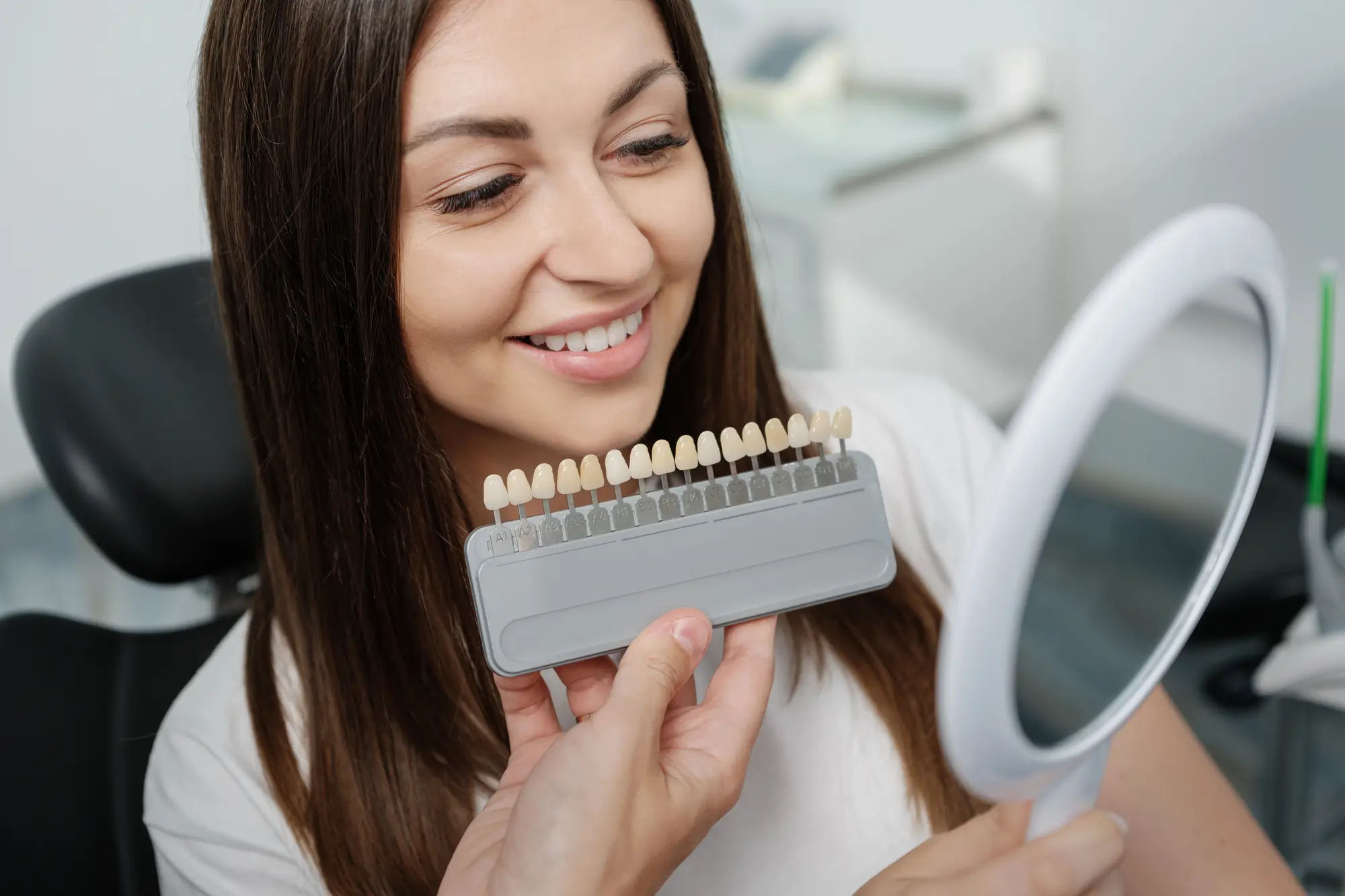
Village Square Dental offers personalized treatment plans designed specifically to match every unique facial structure and lifestyle goal. Schedule a comprehensive consultation with a skilled dentist in Miramar by visiting the contact page today to explore the best cosmetic options for achieving true dental confidence.
Located in the new Village Square Publix shopping center


Copyright 2026 Village Square Dental. All Rights Reserved.
Privacy Notice | ADA | Designed by Digital Resource