



Post
Why Some Dental Procedures Need a Surgical Approach
January 30, 2026
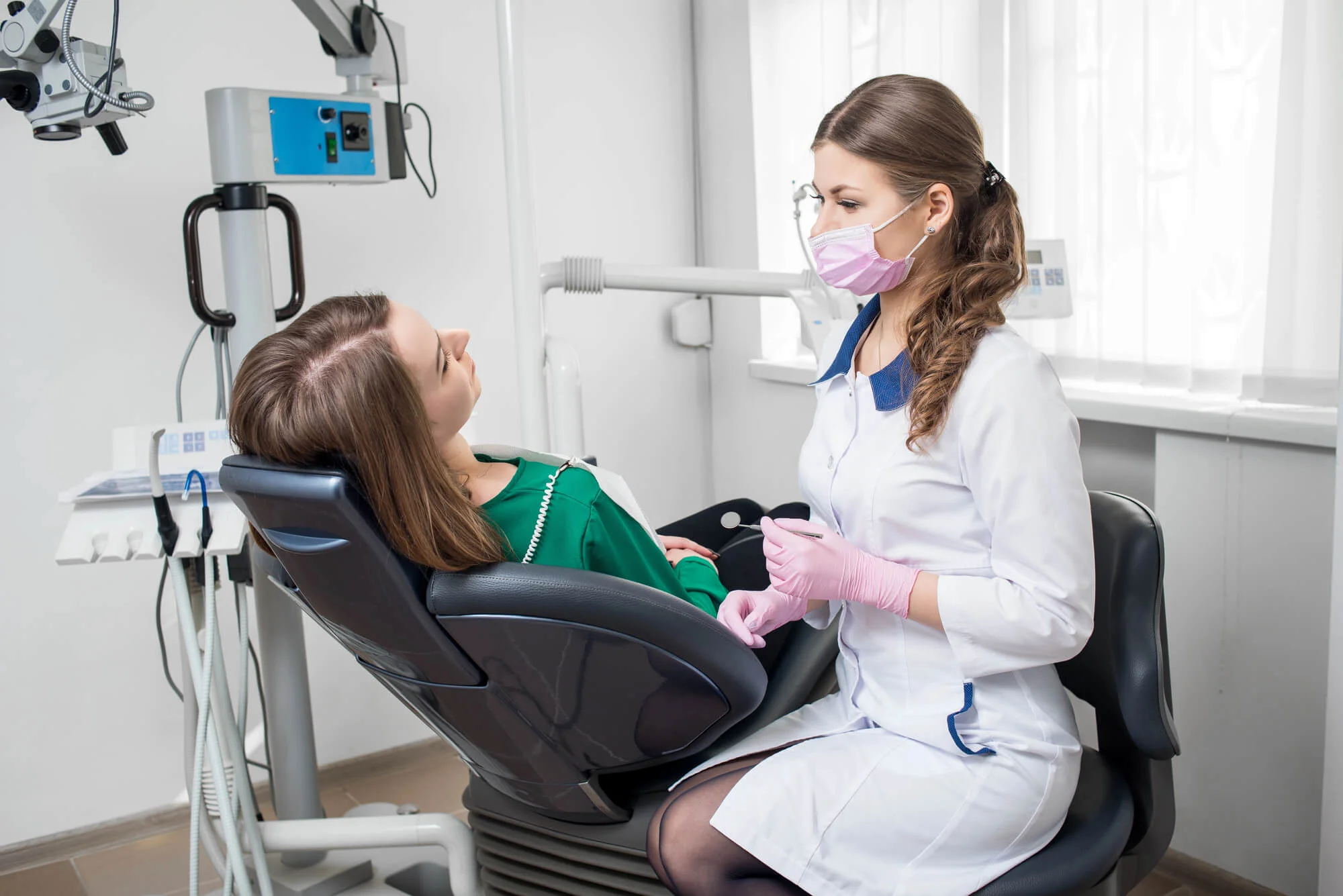
Dental care often begins with routine visits, cleanings, and basic treatments. In some situations, care goes beyond standard dentistry. When people search for an oral surgeon in 33026, they are often dealing with concerns that require advanced training and specialized techniques. Understanding why certain dental procedures need a surgical approach helps patients feel informed, confident, and prepared for what comes next.
Understanding When Surgery Becomes Necessary
Complex Tooth Extractions
Not all extractions are simple. Teeth that are impacted, broken below the gumline, or positioned close to nerves often require surgical skill. Oral surgeons use precise techniques to remove these teeth safely while protecting surrounding bone, nerves, and tissue. This approach supports smoother healing and reduces the risk of complications.
Jaw and Bone-Related Conditions
The jaw affects chewing, speaking, and facial balance. Problems involving jaw alignment, bone loss, or facial trauma often require surgical care because these issues can impact daily comfort and long-term oral function. Oral surgeons are trained to work directly with jawbone structure, restoring stability, comfort, and function when routine treatment is not enough. Surgical intervention can help correct bite problems, relieve chronic jaw pain, and support proper joint movement. In cases of injury or degeneration, surgery also helps preserve facial symmetry and prevent further complications. Addressing these concerns early supports better healing, improved function, and a more comfortable quality of life.
Dental Implants and Surgical Planning
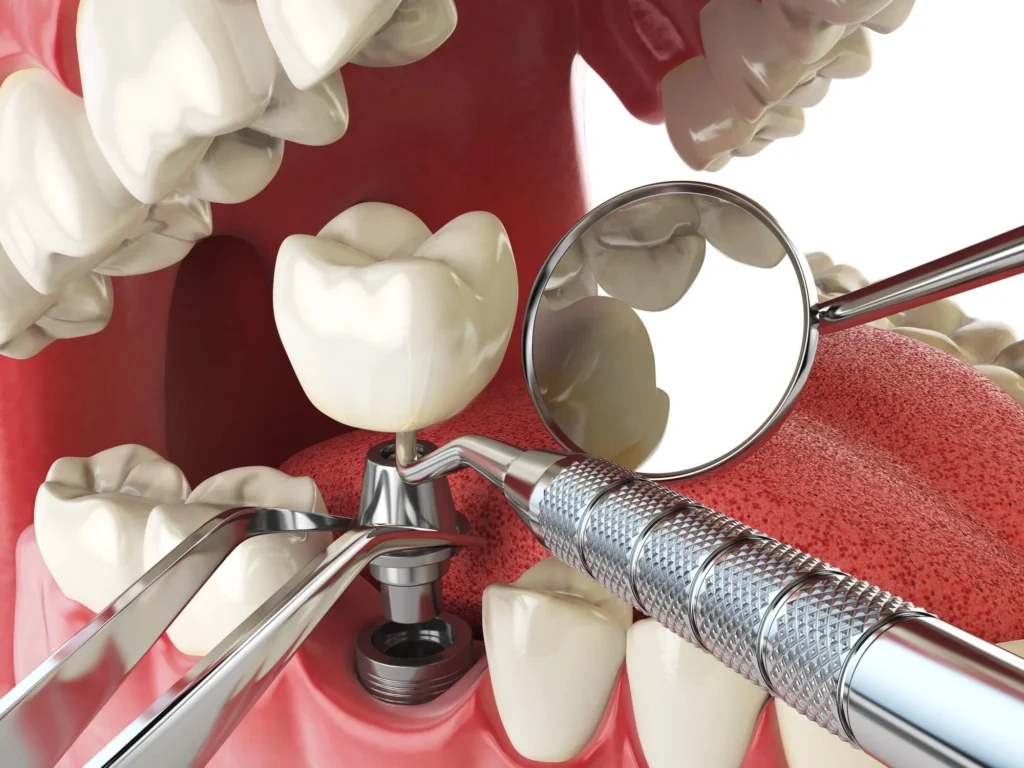
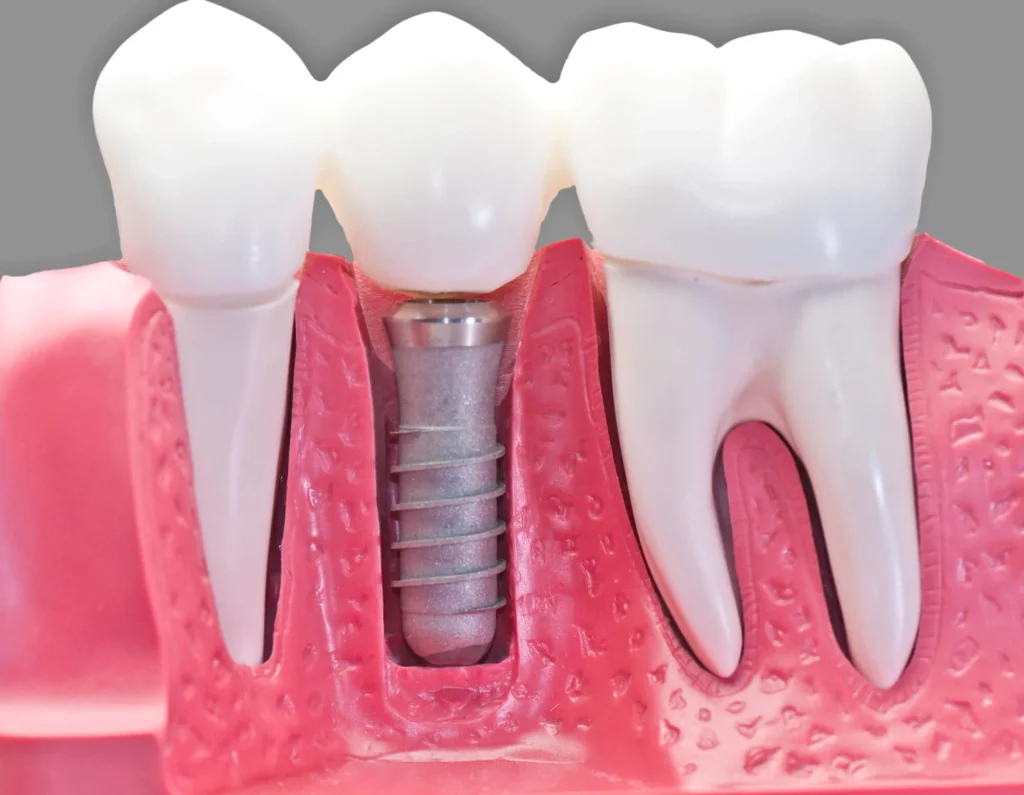
Dental implants depend on strong, healthy bone. When bone density is limited or anatomy is complex, surgery becomes necessary. Oral surgeons perform bone grafting and advanced implant placement techniques that support durability and long-term comfort while protecting nearby structures.
Managing Infections and Oral Pathology
Some infections spread deep into bone or soft tissue and cannot be resolved with medication alone. Surgical treatment allows infected tissue to be removed completely. Oral surgeons also diagnose and treat cysts, lesions, and abnormalities, helping protect long-term oral and overall health.
Comfort, Sedation, and Patient Support
Surgical care focuses on comfort as much as precision. Oral surgeons provide anesthesia and sedation options tailored to each patient and procedure. This reduces anxiety and allows treatment to proceed efficiently. Clear aftercare instructions and follow-up support help patients heal with confidence and peace of mind.
Precision and Safety in Sensitive Areas
The mouth contains delicate nerves and blood vessels. Surgical training prepares oral surgeons to work in these sensitive areas with accuracy and care. This expertise lowers risks and supports safer recovery, especially for patients with complex dental or medical histories.
Why Seeing an Oral Surgeon in 33026 Can Make a Difference
A surgical approach is not about making treatment more complicated. It is about choosing the safest and most effective solution. Oral surgeons complete years of advanced training beyond dental school, allowing them to manage complex procedures with confidence.
Patients benefit from detailed planning, advanced imaging, and techniques designed to support comfort and healing. When surgery is recommended, it usually means specialized care is needed to protect long-term oral health. Working with an oral surgeon ensures treatment decisions are guided by experience, precision, and patient-centered care.
If you have been told a dental issue may require surgery, schedule a consultation with Village Square Dental to explore your options and receive guidance tailored to your needs.
Located in the new Village Square Publix shopping center


Copyright 2026 Village Square Dental. All Rights Reserved.
Privacy Notice | ADA | Designed by Digital Resource